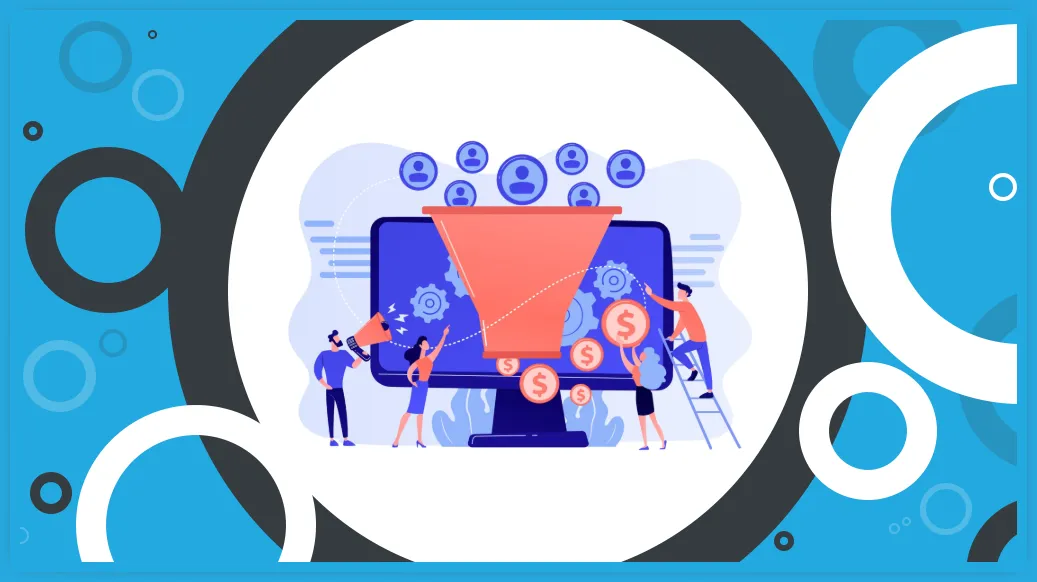
Conversion Rate Optimisation, or CRO, is all about getting more value from the visitors your website already has. By understanding how users interact with your site and removing obstacles that stop them from taking action, CRO helps turn more visitors into customers or leads, without necessarily driving more traffic.
Key Takeaways:
- CRO focuses on improving the effectiveness of your website, not just attracting visitors.
- It involves analysing behaviour, testing changes, and refining both content and design.
- Some changes may be simple tweaks, while others could require a website rebuild to maximise results.
If your website is attracting visitors but not converting them into leads or sales, you’re missing out on valuable opportunities.
That’s where CRO comes in. It’s not about guessing what might work, it’s about using real data to understand your users, testing improvements, and making changes that genuinely increase conversions.
Whether it’s refining your messaging, adjusting the layout, or even redesigning key pages, CRO ensures your website works harder for your business.
What is Conversion Rate Optimisation (CRO)?
At its core, CRO is about getting more out of your existing website traffic. Rather than spending more on advertising or content marketing, you make your website work harder by helping visitors take the actions you want them to—whether that’s filling out a contact form, making a purchase, or signing up for a newsletter.
Think of your website as a shop, CRO is like rearranging the layout, improving the signage, and training staff so that more people who walk in leave with something in their basket.
What Does a CRO Involve?
A professional CRO involves several steps, all guided by data and aimed at improving results:
1. Analysing User Behaviour
We start by understanding how visitors interact with your website. This can include:
- Heatmaps to see where people click and scroll
- Session recordings to watch real user journeys
- Analytics to identify drop-off points in key pages or forms
This analysis highlights what’s working and what’s stopping people from converting.
2. Identifying Conversion Barriers
Once we understand behaviour, we pinpoint obstacles that prevent conversions. Common barriers include:
- Confusing navigation or menus
- Weak or unclear messaging
- Slow-loading pages or poor mobile experience
- Forms that are too long or complicated
3. Making Data-Driven Changes
CRO is all about testing improvements rather than guessing. Changes can involve:
- Content tweaks: Headlines, calls to action, or page copy that better matches user intent
- Layout and design adjustments: Button placement, imagery, and page structure
- User journey improvements: Simplifying steps to purchase, form submission, or booking
Sometimes these are small tweaks; other times a full website rebuild or redesign is needed to achieve the best results.
4. Continuous Testing and Optimisation
CRO is an ongoing process. We test changes with A/B testing or multivariate testing, measure results, and refine strategies. This ensures your website keeps improving over time, increasing leads, sales, or sign-ups.
Why CRO Matters
Investing in CRO can:
- Boost leads or sales without increasing traffic spend
- Improve user experience,
making your website easier and more enjoyable to use
- Give measurable insights into what works and what doesn’t
- Support marketing campaigns by making landing pages more effective
In short, CRO helps your website work smarter, not harder.
Some CRO changes are simple content adjustments, while others might need design tweaks or even a website rebuild. Website Success can handle the full process—from analysing data and testing content changes to redesigning pages for better conversions. We focus on creating websites that not only look good but also perform exceptionally.
Conversion Rate Optimisation in Chichester
Book a chat or call our Chichester web and digital marketing agency on 01243 888555 to discuss how we can improve your website’s performance, turn more visitors into customers, and get the most out of your online presence.